
Three nodes. One connected system.
Educational access, community development, and social advancement are not separate grant categories. They are interdependent conditions—each one failing without the others. We fund across all three, deliberately.




Educational Access
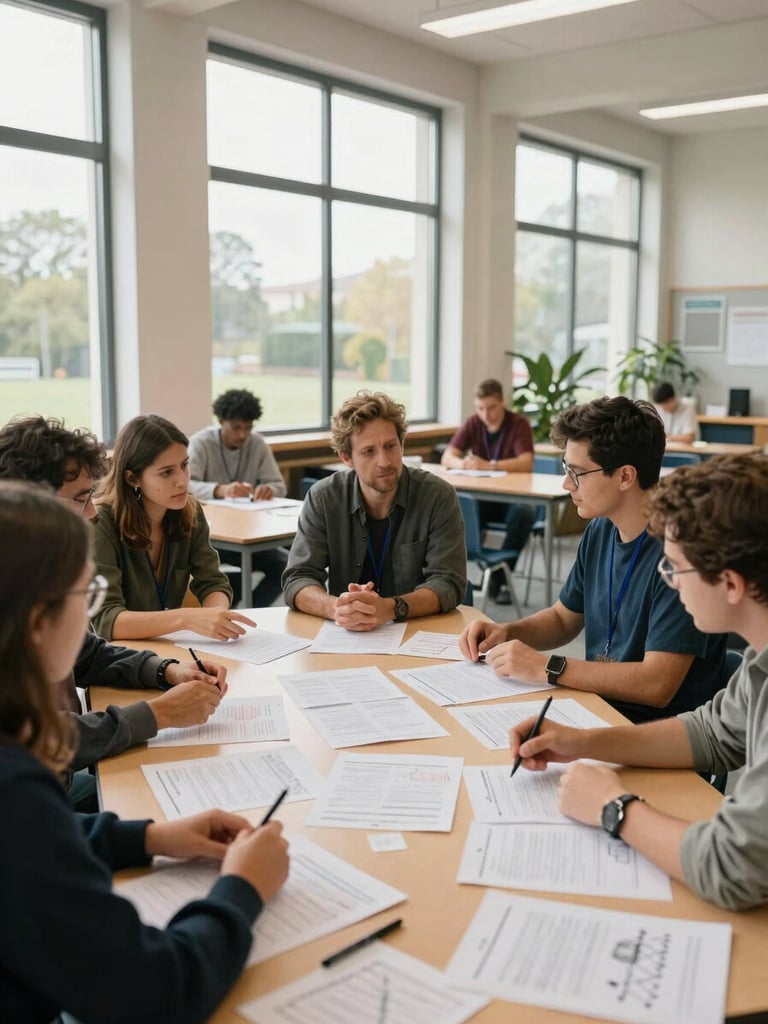
We fund the structural conditions that keep learning sustained over time—curriculum infrastructure, mentorship networks, and institutional capacity—not one-off programs that dissolve when a cohort ends.
Community Development
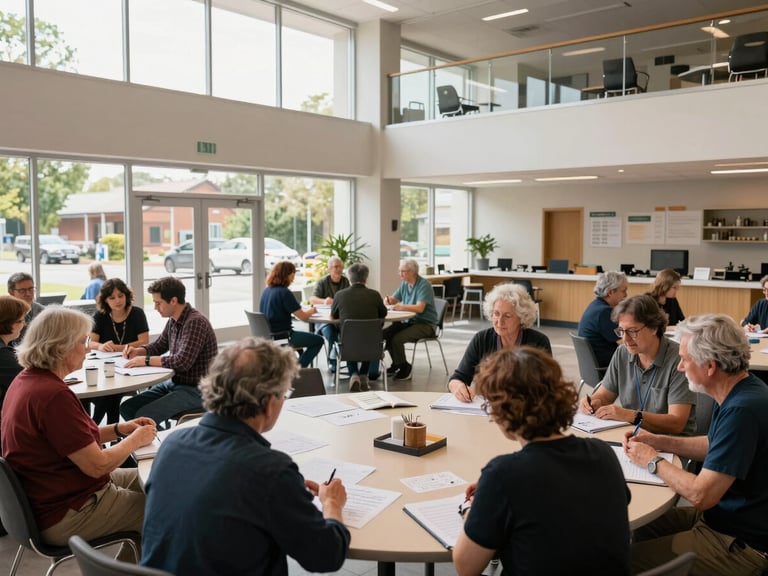
Strong communities are built through sustained investment in shared infrastructure—civic spaces, cross-sector partnerships, and locally anchored institutions that accumulate capacity rather than deliver temporary services.
Social Advancement
Advancement requires pathways—economic, professional, and civic—that connect individuals to broader systems of opportunity. We fund the connective programs that make those pathways real and replicable across communities.
Each node depends on the others.
We look for programs that strengthen at least two of these areas simultaneously. Isolated interventions, however well designed, do not produce durable outcomes at the community level.
Builds individual capacity
Anchors long-term investment
Generates measurable outcomes
Pathways to economic and civic participation are the measure of whether education and community investment produced lasting change—not activity counts.
Learning that holds requires a community context. Education funded in isolation rarely scales or persists beyond the program cycle.
Community infrastructure absorbs and sustains gains in education and economic mobility. Without it, advancement remains episodic rather than structural.
Does your program span these nodes?
Review our grantmaking criteria and process before reaching out. We are a deliberate funder—clarity on both sides saves time.